


Mazda vs Mitsubishi Reliability? Which Used SUV Is Right For You?
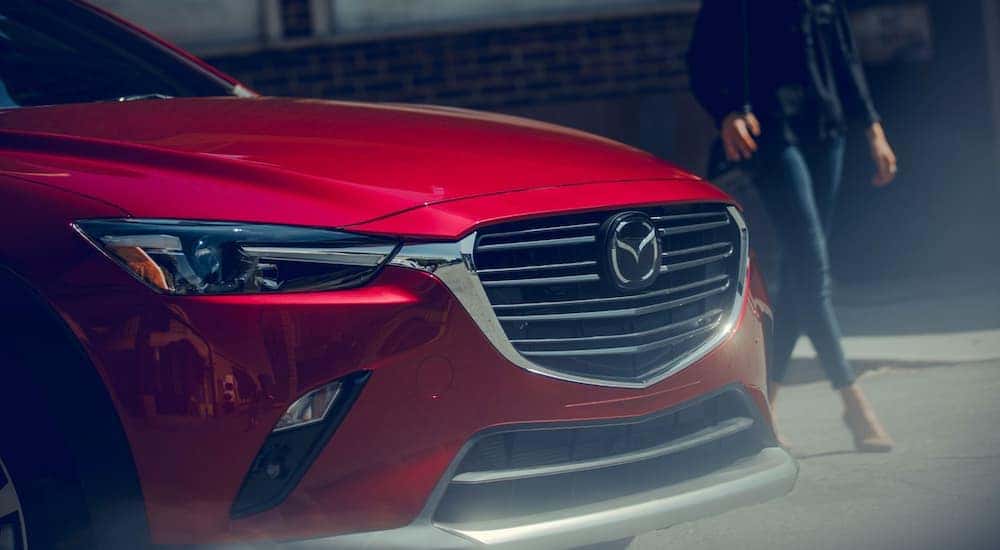
There are lots of great reasons to buy used when shopping for your next vehicle. And you can always find a fantastic selection of used cars for sale at Colonial Motor Mart, especially when searching for a used SUV. But even at our dealership, there are tons of options to sift through. And it often comes down to a shootout between a used Mazda and a used Mitsubishi. Mazda is famous for sporty and sleek cars with style, and their catalog of older SUVs carries that trademark flair as well as lots of built-in tech features. On the other hand, Mitsubishi has made its reputation for reliability, performance, and being a cost-friendly option.
As we dive into the strengths and setbacks of the SUVs each brand has to offer, let’s focus on a few key categories: Performance, safety, fuel efficiency, technology, and the overall consumer cost. And once we have laid out what options are in front of us for each brand, you will be able to decide which one will give you the ride you are looking to have in an SUV. So without further ado, let’s get to comparing!
A Peek at Power and Performance
SUVs have a lot of demand when it comes to power and performance. They aren’t going to be winning any high-speed races, but their distinct range of utility means that performance is an important part of their design.
When comparing the torque and horsepower of most used SUVs for both Mazda and Mitsubishi, the latter tends to take the lead but not by a significant margin. And this is not surprising when you look at the trends and priorities of each brand. Mitsubishi tends to design a little more practically, and their SUVs carry a bit more muscle while sacrificing a little on fuel economy. Mazda trends towards sporty fuel efficiency, which loses some of that raw power other SUVs on the market bring to bear.
Mitsubishi does edge ahead in many cases; for example, the Mitsubishi Outlander outpaces the Mazda CX-3. In this instance, the Outlander offers a horsepower rating of about 20 higher and 16 lb-ft of torque higher than the competition. When it comes to cargo and passenger space, on average, Mazda and Mitsubishi come close to a tie. The designs support family sizes and allow for a fun drive, but neither pulls ahead significantly when it comes to outstanding storage. From model to model, it seems that for performance, you can find what you need in either category.

Safety vs Safety
When you are driving up a mountain trail or taking a soccer team to the big game, safety is always on your mind. SUVs are popular for the sense of sturdy security their build provides. Between Mazda and Mitsubishi, safety features are robust and comprehensive. Both the Mazda CX-5 and the Mitsubishi Outlander are highly rated by consumers regarding safety. Consistently, however, the Mazda comes ahead, particularly when considering new safety technology features.
Features such as rearview cameras are offered in the Mazda models, which even some contemporaries from Mitsubishi lack. Additionally, Mazda, on average, equips their base SUVs with advanced safety technology such as in the CX-5 complete with blind-spot alert and lane departure warning system while still matching comparable airbag systems as the Mitsubishi Eclipse Cross. Overall, the Mazda often beats out the Mitsubishi in terms of advanced safety technology integration.
Comparing Fuel Efficiency
Being energy-efficient and environmentally friendly while saving money on gas is always a plus when buying a car. Mazda and Mitsubishi both have excellent combined fuel efficiency, with most of their used models clocking close to 30 MPG. Although these numbers may vary from year to year and comparing specific models, on average, Mazda does tend to have slightly better-combined fuel economy – at a small margin.
For example, the Mazda CX-5 has a combined 29 MPG, and the Mitsubishi Outlander comes just behind at a combined 27 MPG. At a high level, both are positive when it comes to midsize SUV fuel economy. So if fuel economy is something you are very interested in and is a significant feature for you, you are in luck because both of these brands made this a priority.
Fun and Convenient Technology Features
As we have already begun to see in the safety analysis, Mazda is a clear front runner if you are interested in a more advanced ride with all the technological bells and whistles. The Mitsubishi Eclipse sports Bluetooth to connect to your devices, hands-free phone for emergency calls on the road, a remote keyless entry, an advanced touchscreen, USB connectivity, as well as more standard tech features such as cruise control. While great features, all told, when compared to the features of the Mazda CX-5, it is clear the designers are catering to the tech fanatics who love to have all the toys.
The Mazda CX-5 comes with all the comparable systems as the Eclipse in addition to a navigation system, audible text messaging, internet access, a remote engine start for those cold Pennsylvania winter mornings, a push-button start, direct smartphone interface, and voice recognition system. While certain older models for both do not have all of these more advanced features, year by year, the Mazda is more tricked out with the standard array of tech features as well as extra toys for the tech fanatic driver.
Ownership Costs
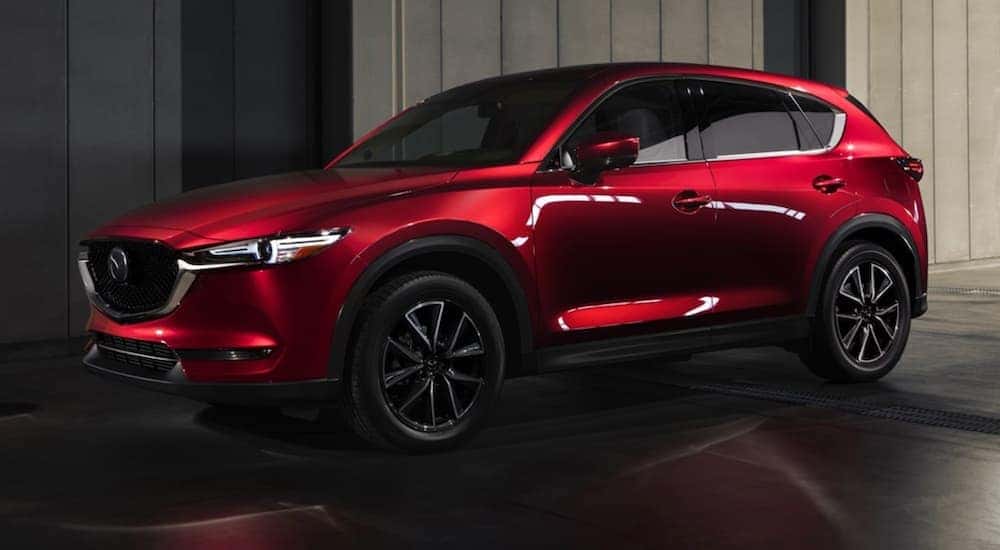
So, at last, we have come to it—the cost. As you know, owning a used car isn’t just about the price to drive it off the lot. You want to make sure you aren’t signing up for a money pit of annual repairs and known potholes in the design of the car. Lucky for you, you’re shopping for a Mazda or a Mitsubishi. Across most models, both makes have below-average ownership costs for SUVs.
Neither brand is boutique or needs expensive, particular parts, and they don’t break down after a predictable number of miles. When considering their reliability, the annual cost of repair, and common problems, neither brand is substantially more costly to maintain. On average, the SUVs for both range between $400-$550 for annual repair costs, which is considered excellent for ownership cost. The Mazda will run a little bit more expensive, but only by a fraction – not even enough to make a difference in your decision.
The Verdict
We have looked at a lot in this comparison, and all of this information can be a little overwhelming. But try not to freak out; both brands offer incredible features, robust safety, and prodigious power and performance across models. Now is the time to start thinking about what you value in your SUV and what you want to use it for. Fortunately for performance, it seems you can’t go wrong. Both offer comparable horsepower and torque, with variations being relatively minor from year to year and model to model.
So, it comes down to this: Do you like the feeling of driving an advanced technology car? Or do you prefer something a little more practical? If you want something tech-filled, Mazda might be for you. But if you want to save a little extra money and don’t need the bells and whistles, Mitsubishi may be a more pragmatic choice. No matter what you choose, you are picking smart as the value of either brand won’t cost you a fortune in repairs, and both fleets offer impressive fuel economy to help you save. And whatever your choice, you can be confident that Colonial Motor Mart in Indiana, PA, will be there with you every step of the way to ensure your next SUV is suited to your lifestyle and budget.
0 comment(s) so far on Mazda vs Mitsubishi Reliability? Which Used SUV Is Right For You?